
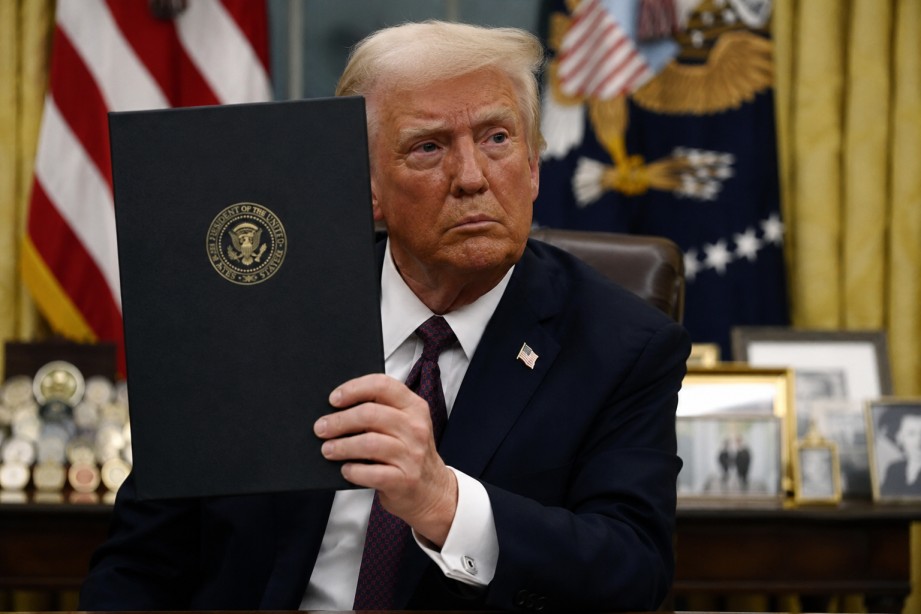
In a significant move, President Donald Trump has dismissed Roger Rogoff from his position as the US Attorney for Western Washington. This decision came less than an hour after Rogoff was unanimously appointed and sworn into office by federal judges, highlighting an ongoing tension between the executive branch and judicial authority. Rogoff, who boasts a career as a former judge and experienced state and federal prosecutor, received an abrupt email from the administration notifying him of his removal shortly after he assumed his duties. In response to this unexpected development, Rogoff has expressed that he is contemplating legal action against the decision.
The appointment of Rogoff had come about following the expiration of the term of the previous interim US attorney. With no Senate-confirmed nominee ready to take over, federal judges stepped in, utilizing their authority to make a temporary appointment to fill the vacancy. However, the Trump administration’s swift dismissal of Rogoff underscores its stance on the limits of judicial appointments, asserting that while courts can indeed appoint temporary US attorneys, the ultimate authority to remove them rests with the president.
This development has sparked a broader conversation about the balance of power between the judiciary and the executive branch, especially concerning the appointment and removal of top federal prosecutors. Critics of the decision argue that it undermines the established processes traditionally used to select individuals for such critical positions, raising concerns over the potential for increased politicization within the justice system.
The Trump administration has defended its decision, emphasizing the president’s prerogative to make personnel changes within the Department of Justice. This position reiterates the administration’s broader approach to asserting executive authority in matters traditionally influenced by judicial or legislative input. As the situation unfolds, it highlights the ongoing debate over the appropriate boundaries of executive power in judicial appointments.
Rogoff’s dismissal and his contemplation of legal retaliation could have wider implications, potentially setting a precedent for how similar cases might be handled in the future. As discussions continue, this incident serves as a focal point for examining the dynamics of executive authority, judicial appointments, and the processes that underpin the functioning of the US legal system.