
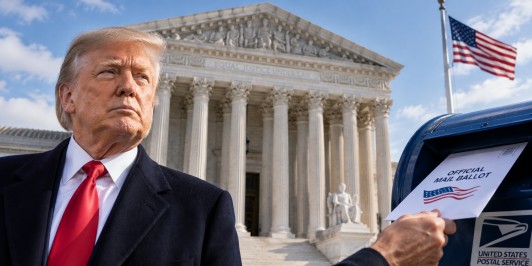
The U.S. Supreme Court has upheld the current mail-in voting procedures by rejecting the Trump administration’s proposal to introduce additional restrictions before the upcoming November midterm elections. This decision preserves the injunction that blocks the proposed changes while the legal battle over the issue continues, ensuring that states can continue to send ballots according to their existing systems. The case is critical given that mail-in voting serves as a vital method for millions of Americans participating in elections.
The administration’s attempt to mandate new procedures was met with resistance, as it sought to implement a range of new verification processes for mail ballots. These included additional checks using federal records, the standardization of ballot envelopes, and the introduction of an online system for submitting voter information. However, several states and voting rights groups challenged these measures, arguing that the president lacks the constitutional authority to unilaterally impose nationwide election administration rules.
Election officials raised concerns that making substantial changes so close to the midterm elections could cause significant disruptions to the voting process. Some states had already started mailing out ballots while the proposed system was still being debated. The Supreme Court’s order indicated that the administration’s legal challenge is unlikely to prevail at this point, and circumstances do not warrant lifting the lower court’s injunction at this time.
This ruling was met with approval from voting rights organizations and election officials, who believe that maintaining the current procedures will offer more stability and predictability for voters and local election authorities. The controversy began with an executive order earlier this year directing the postal service to limit the delivery of certain mail ballots based on federal records. The administration argued its federal oversight of the postal service allowed it to set rules for handling election mail, but opponents contended that such changes could disrupt ballot delivery and confuse voters and election workers as the midterm elections approach.
While the Supreme Court’s decision does not resolve the legality of the administration’s proposed restrictions, it does ensure that the existing mail-ballot system will remain operational until the broader legal issues are settled. This outcome maintains the status quo amid ongoing legal proceedings, allowing states to continue their established voting practices without the imposition of new federal mandates.