
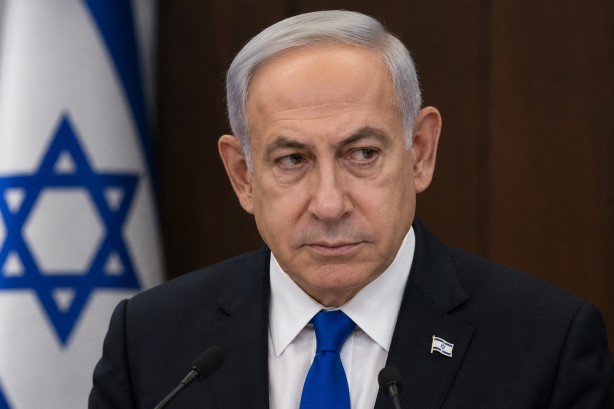
Amid a contentious international climate, Israeli Prime Minister Benjamin Netanyahu has openly criticized New York City Mayor Zohran Mamdani, accusing him of “fomenting hate” following the mayor’s remarks suggesting Netanyahu should face arrest if he visits the city. These comments were in response to an arrest warrant issued by the International Criminal Court (ICC). Despite the controversy, Netanyahu has confirmed his intention to travel to New York in September for the United Nations General Assembly, dismissing the ICC’s war crimes allegations as “bogus” and lacking legitimacy.
Mayor Mamdani has previously argued that while New York City itself lacks the authority to enforce the ICC’s warrant, he believes that the U.S. federal government should step in. He has articulated his stance that individuals accused of war crimes should not be welcomed in New York City. This perspective underscores the broader debate about the role of international law and accountability in global conflicts, particularly concerning actions during the Gaza conflict.
Netanyahu expressed his concerns about the growing political divisions over Israel within the United States, highlighting a rise in antisemitic sentiments. He noted that many Jewish residents in New York are feeling increasingly unsafe, pointing to the potential impact of such rhetoric on community safety and cohesion.
The ICC’s arrest warrants relate to alleged crimes during the Gaza conflict, a point of contention that Israel has consistently challenged. Israel rejects the ICC’s jurisdiction and has denied any wrongdoing, maintaining its stance on the international legal stage. This situation has sparked an ongoing international debate over accountability and the dynamics of the ongoing conflict in Gaza.