
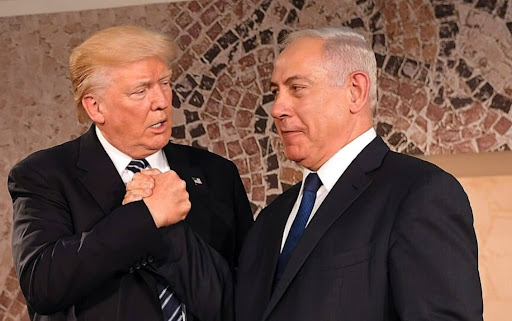
When Israeli Prime Minister Benjamin Netanyahu stood before cameras and invoked US President Donald Trump as a fellow traveler in his four-decade warning about Iran, he was doing something politically sophisticated: converting a tactical disagreement into evidence of strategic alignment. The argument — “You know who else said that? President Trump” — was designed to transform Trump’s public rebuke into a shared mission statement. Netanyahu was reaching past the South Pars dispute to the deeper conviction that unites them, and using that conviction to reframe the entire episode.
The move was rhetorically effective because the underlying claim is true. Trump has consistently described Iran as a major threat to regional and global security. His Iran policy reflects a genuine conviction that the Islamic Republic must be confronted. The shared threat assessment between Trump and Netanyahu is real — it is one of the genuine foundations of their partnership. Netanyahu was invoking something true to manage something contested.
But the rhetorical effectiveness should not obscure what the invocation was designed to do. By emphasizing shared threat assessment, Netanyahu was redirecting attention from shared strategy — which they do not have — to shared enemy — which they do. The forty-year framing made the alliance’s current tactical disagreement look like a footnote in a long story of shared conviction. It was a masterful piece of political narrative management.
Director of National Intelligence Gabbard’s confirmation that Trump and Netanyahu have different objectives adds a necessary corrective to the shared-enemy framing. Both leaders identify Iran as the enemy; they disagree on what defeating that enemy requires. Netanyahu’s invocation of Trump as vindication served the immediate diplomatic purpose of managing the South Pars fallout — but it did not bridge the strategic gap that Gabbard described.
The political uses of a shared enemy are significant in any alliance: shared threats create shared purpose, justify cooperation, and provide a rhetorical framework for managing tactical disagreements. Netanyahu has used this framework skillfully throughout his career. His invocation of Trump was the latest expression of that skill — genuine in its factual foundation, strategic in its application.