
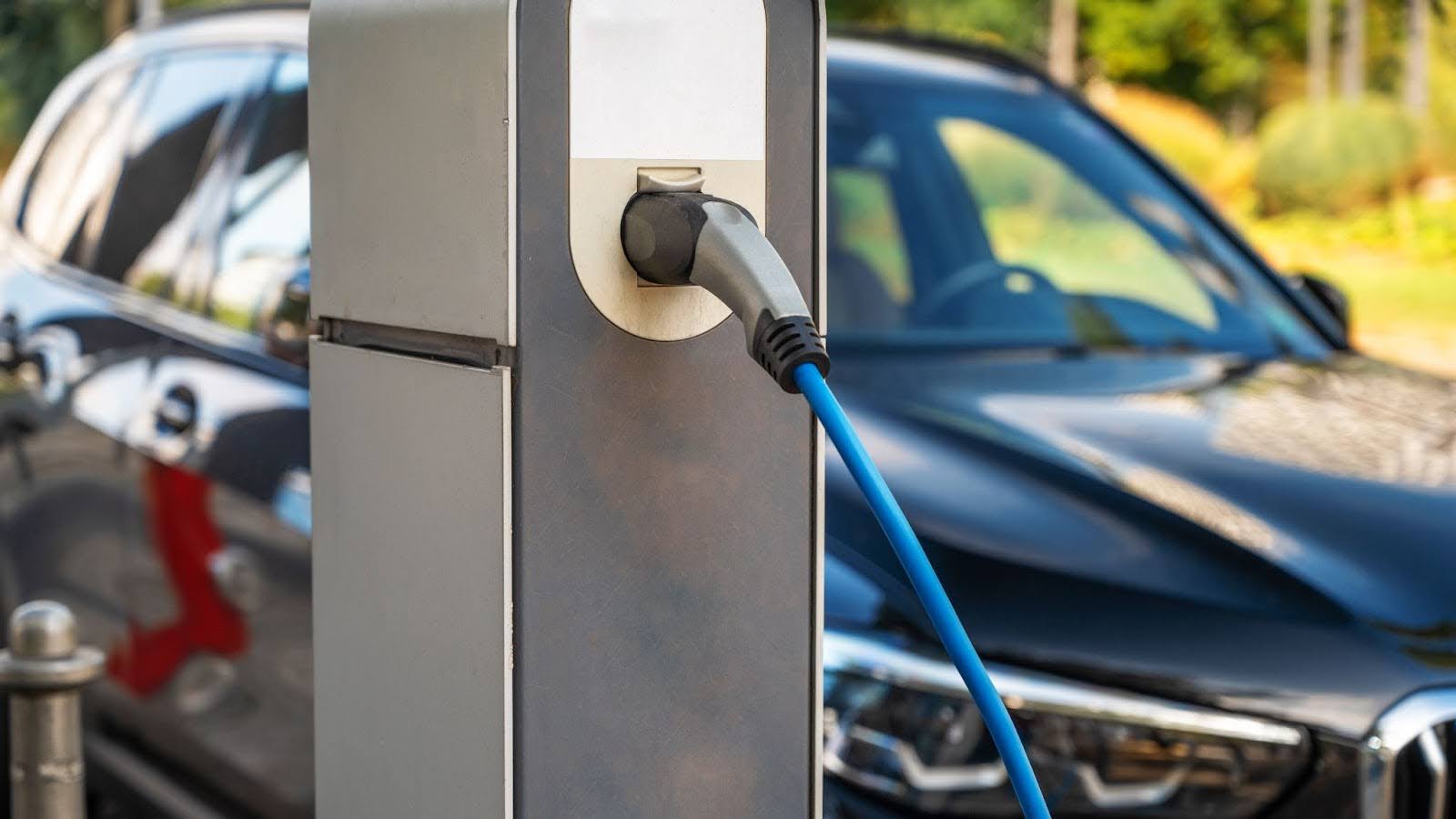
In boardrooms at Ford, General Motors, Stellantis, and other major automotive companies, the surge in US interest in electric vehicles following the Iran conflict and $3.90-per-gallon gasoline is generating urgent strategic discussions. The question being asked at the highest levels of American auto manufacturing is both simple and consequential: did we scale back our EV investment too far, too fast? The answer, informed by CarEdge’s 20 percent EV search surge, is one that will shape automotive investment decisions for years to come.
The market signal is provided by Iran’s closure of the Strait of Hormuz following US and Israeli military strikes — disrupting the waterway through which roughly one-fifth of global oil supply flows and pushing American retail fuel costs to their highest level in nearly three years. Consumer response has been both immediate and genuine, with automotive research platforms documenting behavioral shifts that indicate real purchasing reconsideration rather than casual browsing interest.
Ford, Nissan, and Honda are among the manufacturers that most visibly scaled back US EV programs in recent months, citing soft demand in the post-incentive environment. Those decisions, made on reasonable assumptions about near-term market conditions, are now being evaluated in the context of a market that has shifted rapidly. The manufacturers who maintained EV investment are better positioned; the ones that retreated are asking whether they retreated too far too soon.
CarEdge’s Justin Fischer said the board-level question has a market data answer that is becoming clearer with each week of elevated gas prices. The demand signal is real, and the used EV market is demonstrating that affordable EVs at sub-$25,000 prices generate strong consumer response. Manufacturers who can meet that demand benefit; those that cannot watch it flow to competitors or to the used market.
Edmunds’ Jessica Caldwell offered the structural framing that boards are wrestling with. The four-year policy problem she identified — the inability to plan EV investment across administration changes — is the deeper challenge that makes any specific board decision difficult. But the current market signal is making one thing clear: the soft demand period that justified recent EV retreats was temporary, and the manufacturers that recognized that will be better positioned for the market that is now emerging.