
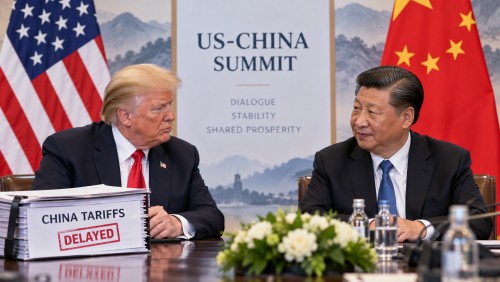
The anticipated delay in announcing new tariffs on Chinese goods by the United States offers a potential reprieve for businesses concerned about escalating trade tensions. This development could impact international trade dynamics, as the delay is seen as a strategic move by Washington to use the threat of tariffs as leverage in upcoming trade negotiations with China.
The decision to hold off on implementing a proposed 7.5% tariff on Chinese goods comes as US President Donald Trump prepares to meet with Chinese President Xi Jinping. The proposed tariff was expected to raise the overall US tariff rate on Chinese imports to around 20%, a benchmark that China had previously indicated could align with the current trade truce between the two nations.
In the lead-up to the Trump-Xi summit, negotiators from both countries are expected to engage in discussions aimed at reaching trade agreements. The talks come amid broader investigations launched by the Trump administration into the trade practices of several major partners, including China, under Section 301 of the Trade Act of 1974. These investigations focus on concerns over excess production capacity, which could lead to additional tariffs and further strain international trade relations.
China has signaled its readiness to respond if US tariffs exceed the levels agreed upon in the existing trade truce. Chinese officials have also criticized the use of excess capacity concerns to justify protectionist measures, arguing that such actions could undermine diplomatic efforts to resolve trade disputes.
This strategic delay and the surrounding negotiations highlight the ongoing complexities in US-China economic relations, underscoring the delicate balance both nations must maintain to avoid escalating tensions while working toward sustainable trade agreements.