
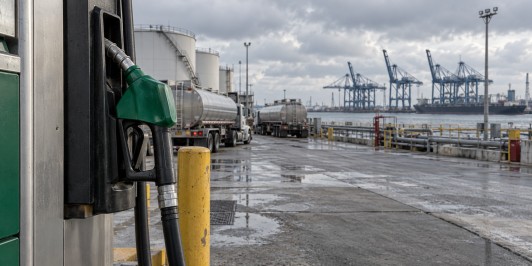
Amid surging diesel prices in the United States, President Donald Trump has signaled support for potentially restricting or banning diesel exports. This move could be aimed at alleviating domestic energy costs, which have hit record highs, but it may also lead to unintended effects on the fuel supply chain.
Diesel prices in the U.S. have skyrocketed to an average of $6.53 per gallon, fueled by disruptions in global fuel supplies due to ongoing conflicts in Iran and Ukraine. The rising costs have prompted the Trump administration to consider keeping more diesel fuel within the country. Treasury Secretary Scott Bessent noted that the administration is examining the feasibility of either a full or partial export ban, taking into account the nation’s refining capacity.
However, industry experts, such as the American Fuel and Petrochemical Manufacturers trade group, warn that implementing export restrictions could have adverse effects. They caution that U.S. refiners might reduce production if their ability to export is curtailed, which could lead to decreased supplies of diesel and gasoline domestically.
President Trump, speaking before a meeting with Ukrainian President Volodymyr Zelenskyy, expressed concern over the impact of Ukrainian strikes on Russian oil refineries. He suggested that further damage to refining infrastructure might exacerbate the rise in diesel prices.
As the administration continues to assess the potential implications of an export ban, the debate highlights the delicate balance between national energy security and the global market dynamics that affect fuel availability and pricing. The outcome of these discussions could have significant ramifications for both U.S. consumers and the broader energy sector.