
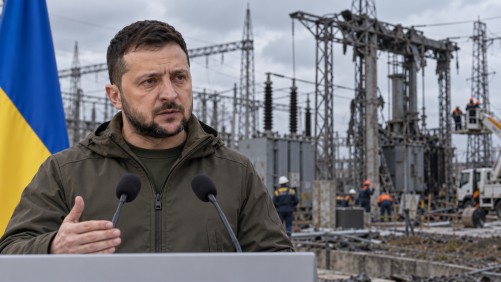
As Russia continues its assaults on Ukraine’s energy infrastructure, Ukrainian President Volodymyr Zelenskyy has issued a stark warning of retaliation. Speaking at a European security conference in Warsaw, Zelenskyy expressed Ukraine’s readiness to respond if Moscow persists in targeting its power grid during the winter months. He criticized a recent announcement by former U.S. President Donald Trump regarding an energy ceasefire between Russia and Ukraine, stating that no such agreement had been formally reached.
Zelenskyy reported ongoing Russian drone and missile attacks on Ukrainian energy facilities, resulting in power outages and injuries. A recent strike on a power station in Kharkiv has heightened concerns about the security of Ukraine’s electricity supply as colder weather approaches. The Ukrainian government has shown willingness to negotiate an energy ceasefire to safeguard critical infrastructure and prevent widespread blackouts, but Russia has yet to confirm its participation, insisting instead on a broader peace agreement.
Tensions have escalated following Trump’s decision to ease restrictions on Russian diesel imports, a move he claims could help reduce fuel prices. Zelenskyy criticized this decision, arguing that it could bolster Russia’s capacity to finance its military operations. Trump has also urged Ukraine to cease its attacks on Russian oil refineries, blaming them for rising fuel prices and questioning Zelenskyy’s leadership, thereby straining relations between Washington and Kyiv.
European leaders have expressed support for Ukraine, emphasizing that any energy ceasefire must be honored by both parties. Some European officials have also criticized the relaxation of restrictions on Russian energy imports, arguing that maintaining economic pressure on Moscow is essential to limiting its military funding.
Amid Russia’s intensified attacks on Ukrainian infrastructure, fears of further electricity shortages and disruptions to essential services are growing. Ukraine continues to target Russian energy facilities to weaken Moscow’s war resources and capabilities. The ongoing conflict raises concerns about the future of U.S. support for Ukraine, which includes intelligence sharing and weapons procurement efforts backed by European allies.
As energy infrastructure becomes a focal point in the conflict, the prospects for a ceasefire remain uncertain. Ukraine insists that any agreement must be reciprocal, while European leaders continue to advocate for measures that protect civilians and vital infrastructure during the winter months.