
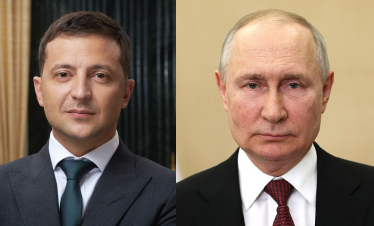
International diplomatic architecture faces stress-testing through current crisis, with Russian allegations and resulting controversies revealing both strengths and vulnerabilities in frameworks supporting peace processes.
The crisis introduced by Russian allegations about Ukrainian drone attacks has tested multiple elements of diplomatic architecture: communication channels between key parties, mechanisms for verifying claims, processes for responding to allegations, frameworks for protecting diplomatic progress from disruption, and capabilities for coordinated international responses to manipulation.
President Zelensky’s appeals to international community implicitly recognized that diplomatic architecture must function effectively to protect peace processes from manipulation. His calls for active engagement rather than silence suggested assessment that current architecture might default toward inadequate responses absent concerted efforts to strengthen protective mechanisms.
Diplomatic architecture stress-testing reveals which elements function effectively under pressure and which require strengthening. Current crisis has highlighted challenges including: difficulty of rapid independent verification, absence of automatic mechanisms triggering coordinated responses to manipulation, tension between caution and responsiveness in international reactions, and complexity of protecting diplomatic progress while maintaining productive engagement with all parties.
The stress-test also revealed strengths including: sustained communication channels enabling direct exchanges, established relationships providing foundation for addressing new challenges, recognition by multiple parties that diplomatic processes deserve protection, and capabilities for conveying concerns through various formal and informal mechanisms.
Zelensky’s messaging throughout crisis reflected awareness that diplomatic architecture was being tested. His calls for international engagement aimed partly at strengthening protective elements of architecture that current crisis revealed as potentially inadequate. The Ukrainian president sought to mobilize international responses that would demonstrate architecture’s capability to resist manipulation.
Analysis of how diplomatic architecture performs under stress provides insights for strengthening frameworks supporting peace processes. Current crisis offers opportunity to identify vulnerabilities requiring remediation and strengths deserving reinforcement. Zelensky emphasized that learning from stress-tests enables development of more resilient diplomatic architecture better protected against manipulation.