
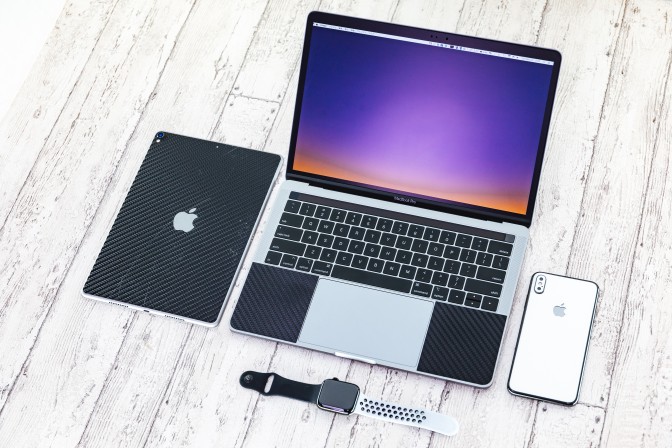
Apple has announced a price hike for various iPad and MacBook models, attributing the increase to a significant rise in memory and storage chip costs. This surge in expenses is driven by the escalating demand for infrastructure supporting artificial intelligence. Having absorbed these higher costs for components for as long as possible, Apple now finds it necessary to transfer part of these expenses to its customers.
The price adjustments affect a range of Apple products, including MacBooks, iPads, HomePod speakers, and Apple TV devices. Notably, certain MacBook configurations with higher storage capacities are witnessing the most substantial price increases due to the elevated cost of memory components. The global expansion of AI technology has led chip manufacturers to allocate more resources to AI data centers and advanced computing systems, consequently limiting the availability of memory components for consumer electronics and increasing production costs industry-wide.
Although Apple’s robust supplier network has mitigated some of the impact compared to its competitors, industry analysts anticipate continued pressure on the pricing of devices. There is growing concern that future iPhone models might also experience price increases as companies adapt to these heightened component costs. The broader technology market is poised to feel the effects of these rising memory chip prices, with smartphone and PC sales potentially facing challenges due to increased production expenses coupled with declining consumer demand.
The ripple effects of the AI boom are compelling manufacturers across the tech industry to navigate an environment of rising costs and shifting supply priorities. As the demand for AI infrastructure continues to climb, it remains crucial for companies like Apple to balance these economic pressures while maintaining competitiveness in the global market.