
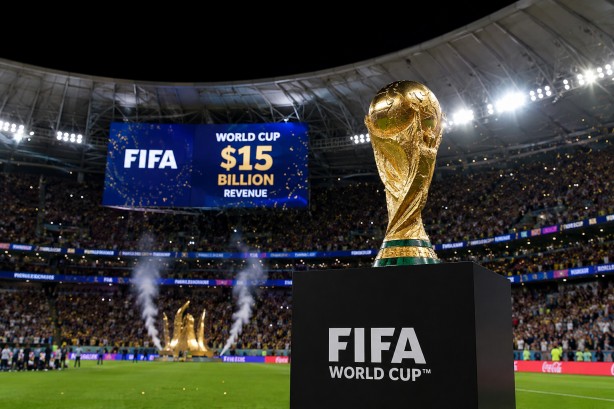
FIFA is poised to reveal that this summer’s World Cup has generated unprecedented revenues of $15 billion, significantly surpassing its initial forecast of $11 billion. This remarkable financial achievement has been largely driven by the success of hospitality packages and robust ticket sales, particularly within the secondary ticket market. As part of these transactions, FIFA collects a 15% commission from both buyers and sellers, which has substantially contributed to the organization’s revenue stream.
The impressive financial outcome is expected to have positive implications for FIFA’s member associations. However, the specifics regarding the allocation of these additional funds are yet to be determined. This financial success comes at a time when FIFA president Gianni Infantino is preparing for a likely re-election campaign set for March, with more than 200 member associations having already voiced their endorsement for his leadership.
The tournament’s success has also enhanced the likelihood of the United States hosting another World Cup in the future. With the 2038 World Cup as the next available tournament for bidding, discussions are also in progress about a potential U.S. bid for the 2029 Club World Cup. Such prospects underscore the growing enthusiasm and readiness of the United States to play host to major international soccer events.
Meanwhile, as anticipation builds for the World Cup final between Spain and Argentina in New Jersey, premium hospitality packages are still on offer. Tickets for the coveted “trophy lounge” experiences are being sold at prices reaching up to $34,500 per person, reflecting the high demand and exclusive nature of these packages.