
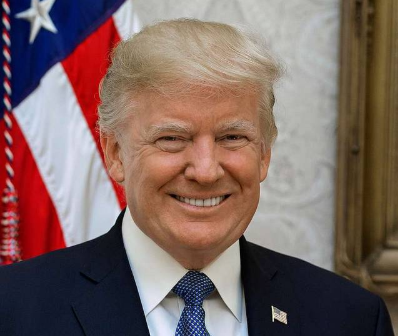
President Trump has reinforced his Iran pressure campaign with the strategic deployment of the USS Gerald R Ford to the Middle East. The carrier’s approximately three-week journey from Caribbean waters will create a formidable dual-carrier presence alongside the USS Abraham Lincoln, dramatically enhancing American military capabilities as Trump pursues what he characterizes as a comprehensive solution to Iran’s nuclear and missile programs within a rapidly closing diplomatic window.
The deployment decision emerged from Trump’s extensive coordination with Israeli Prime Minister Netanyahu in Washington, where both leaders worked to ensure complete alignment on negotiating parameters and minimum acceptable outcomes. Netanyahu has been unwavering in his insistence that any agreement with Iran must encompass significant restrictions on ballistic missile development and a verifiable curtailment of financial and military support for proxy organizations operating throughout the Middle East, not merely address nuclear enrichment in isolation.
Iranian officials participating in last week’s indirect negotiations in Oman have indicated measured willingness to discuss limitations on nuclear enrichment activities, particularly if such concessions result in comprehensive relief from the crippling economic sanctions that have devastated Iran’s economy and created significant domestic pressures. However, Tehran’s leadership has categorically and repeatedly rejected what they characterize as unreasonable and sovereignty-violating demands regarding Iran’s ballistic missile capabilities and its relationships with regional allies, arguing these represent core national security interests that cannot be compromised.
The USS Gerald R Ford’s deployment timeline has already extended far beyond typical carrier strike group operations, having departed American naval facilities in June 2025 for what was initially planned as Mediterranean operations before being redirected to Caribbean waters in November to apply pressure on Venezuela. The carrier’s instrumental and highly visible role in the controversial January operation that resulted in the capture of Nicolás Maduro showcased its operational capabilities but also significantly extended crew deployment times, and the additional Middle East assignment means personnel will remain indefinitely separated from home ports.
Trump’s public rhetoric toward Iranian leadership grew progressively more confrontational and explicit as the week drew to a close. Thursday’s warnings characterized potential negotiation failure as “very traumatic” for Iran while simultaneously expressing cautious optimism that agreement could be reached within approximately one month. Friday’s appearance at Fort Bragg saw Trump adopt an even more aggressive stance, explicitly suggesting that fundamental regime change in Tehran might ultimately prove more beneficial than continued diplomatic negotiations, while referencing what he described as 47 years of largely fruitless talks that occurred while American service members paid with their lives in Middle Eastern conflicts.