
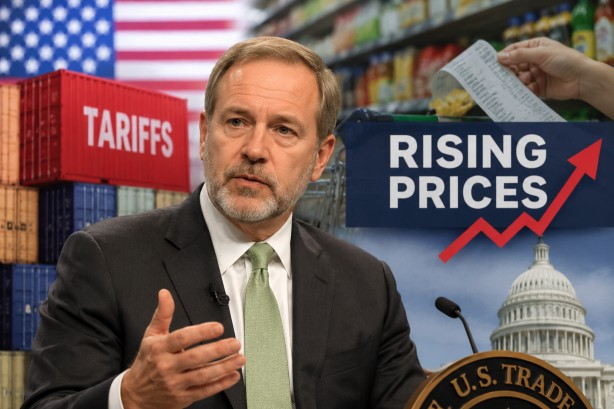
During a Senate hearing, U.S. Trade Representative Jamieson Greer defended the tariff strategy of the Trump administration, dismissing assertions that these tariffs have increased expenses for American households. Greer contended that core inflation has moderated and refuted the notion that tariffs are to blame for rising consumer prices. Despite his defense, Democratic legislators disputed his claims, referencing estimates that suggest tariffs have imposed significant financial burdens on families and have played a role in driving inflation.
Senators Elizabeth Warren and Raphael Warnock were vocal in their criticism of the administration’s trade policies, arguing that elevated import duties have made everyday products costlier, thereby amplifying the financial strain on consumers. They also questioned why the administration remains unwilling to recognize the influence of tariffs on the cost of living, underscoring a disconnect in the administration’s acknowledgment of these economic pressures.
The discussion surrounding tariffs is taking place as the Trump administration is on the verge of implementing another set of tariffs, following the conclusion of its current trade measures. This potential policy shift highlights the ongoing debate about the direction of U.S. tariff policy, with its implications for inflation, businesses, and consumers at the forefront of legislative discussions.
The future of U.S. trade policy remains a contentious issue, with lawmakers deeply divided over the impact of tariffs on the economy. While the administration maintains that tariffs have not significantly affected consumer prices, critics argue that these measures have exacerbated financial challenges for American families. As the debate continues, the resolution of these conflicting perspectives will be pivotal in shaping the trajectory of future trade strategies.